Finding Inner Peace in a Chaotic World
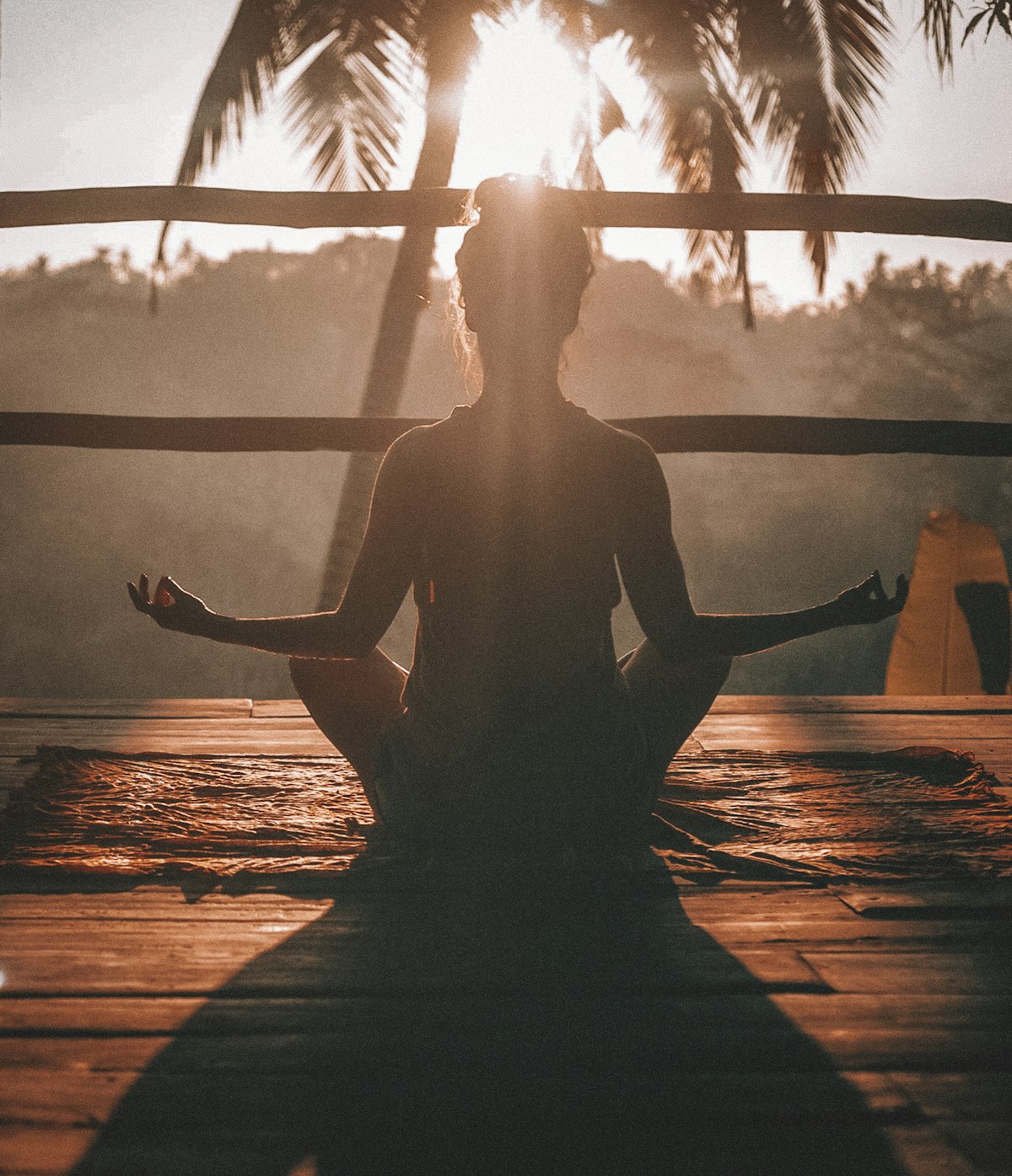
In today's hyperconnected world, finding moments of stillness feels like searching for a quiet corner in a packed stadium. Our minds are constantly processing notifications, deadlines, and decisions. Yet, within this chaos lies a profound opportunity to discover something most people never find: true inner peace.
Why Inner Peace Matters More Than Ever
Research from Harvard Medical School shows that chronic stress costs American businesses an estimated $300 billion annually through absenteeism, reduced productivity, and healthcare costs. But the personal cost is even steeper: anxiety, depression, and a pervasive sense of never having enough time.
"The mind is everything. What you think, you become." — Buddha
Inner peace isn't about escaping reality or living in a permanent state of bliss. It's about developing the capacity to remain centered and grounded, no matter what's happening around you.
The Science of Calm
Dr. Andrew Huberman's research at Stanford reveals that our nervous system has two primary modes: sympathetic (fight-or-flight) and parasympathetic (rest-and-digest). Most of us spend too much time in sympathetic mode, which was designed for acute physical threats, not chronic digital overload.
Meditation Cushion
Discover top-rated meditation cushion zafu to support your wellness journey.
*As an Amazon Associate, I may earn a commission at no extra cost to you.Tibetan Singing Bowl
Discover top-rated tibetan singing bowl to support your wellness journey.
*As an Amazon Associate, I may earn a commission at no extra cost to you.The good news? We can consciously activate the parasympathetic system through specific practices.
1. Box Breathing
Used by Navy SEALs to stay calm under pressure, box breathing involves inhaling for 4 counts, holding for 4, exhaling for 4, and holding again for 4. Repeat 4-5 cycles whenever you feel overwhelmed.
2. Nature Immersion
A study in Scientific Reports found that just 120 minutes per week in nature significantly lower stress hormones and improve well-being. You don't need a weekend retreat—a daily 20-minute walk in a park works wonders.
Recommended: Calm App
Daily meditation & sleep stories
As an affiliate, I may earn from qualifying purchases.
Creating Your Sanctuary
Physical space affects mental state more than most people realize. Your environment sends constant signals to your brain about whether you're safe and can relax.
Consider these simple changes:
- Declutter one surface daily — visual chaos activates stress responses
- Add one plant — plants reduce cortisol and increase positive emotions
- Create a "no screens" zone — designate one room or corner as technology-free
- Use warm lighting — harsh fluorescent lights keep your nervous system alert
The Power of Daily Rituals
Structure creates freedom. When you establish consistent daily rituals, your brain doesn't have to waste energy on decision-making, leaving more capacity for peace and presence.
Try this simple morning sequence:
- Wake 15 minutes earlier than usual
- Drink a glass of water before checking your phone
- Practice 5 minutes of box breathing
- Write three things you're grateful for
- Set one clear intention for the day
Embracing Impermanence
Perhaps the deepest source of anxiety is our resistance to change. Everything in life is temporary—pleasures, pain, people, and possessions. When we accept impermanence, we stop grasping and start flowing.
"Peace comes from within. Do not seek it without." — Siddhartha Gautama
This doesn't mean becoming passive or indifferent. It means understanding that every moment is an opportunity to begin again.
Your Next Step
Inner peace isn't a destination—it's a practice. Today, choose one technique from this article and commit to trying it for seven days. Notice what shifts in your body, your thoughts, and your relationships.
Remember: the chaos outside will never fully disappear. But the peace you cultivate within becomes an anchor that holds steady through any storm.


Comments
Leave a Comment